
The Day-Trip Power Bank: Enough Reserve Without the Brick
Choose a portable battery for maps, photos, and late trains with attention to weight, cables, and air-travel rules.
Our advice is based on published information and practical buying considerations, not hands-on testing. Product links in this article are direct manufacturer links. If a link earns us a commission, we label it. Read our affiliate disclosure.

You leave home with a full phone, use maps all morning, photograph lunch, and find yourself looking for an outlet before the evening train. A day-trip power bank should solve that specific problem without making your bag noticeably heavier. Buying the largest available capacity is not automatically the most useful answer.
Start with a compact model you will actually carry, then check whether its output suits your phone. If you also need to charge a laptop, treat that as a separate buying problem. A battery designed around phone top-ups may not deliver the power or capacity your computer needs.
Choose the right reserve
| Trip | Useful priority | Likely compromise |
|---|---|---|
| City sightseeing | Small size and convenient cable | Fewer total top-ups |
| Long train journey | More reserve for sustained use | Additional bag weight |
| Phone and earbuds | Compatible low-power and phone charging behavior | More than one connection to manage |
| Laptop work away from outlets | Documented laptop-level output | Larger, heavier battery |
Anker Nano Power Bank with built-in USB-C cable, model A1259, is a specific option to investigate for a phone-focused kit. Anker's official page identifies a 10,000mAh nominal capacity and 30W charging capability. Those are manufacturer specifications, not our measurements, and they do not establish an exact number of charges for your phone.
Capacity is not a promise of full charges
A power bank's printed capacity is usually associated with its internal battery conditions. Energy conversion, cable losses, phone behavior, and charging use affect what reaches your device. Avoid dividing two mAh figures and treating the result as a guaranteed recharge count.
Think in terms of the shortfall you need to cover. If your phone usually reaches dinner with a low battery, a convenient top-up may be enough. If you spend the entire day navigating with the screen on and tethering a computer, your demand is different. Reviewing your own battery usage is more informative than shopping from someone else's idealized charge count.
Convenience has a repair tradeoff
A built-in cable is useful because you cannot forget that cable separately. It can also become the component you handle most often. Check whether the battery has another usable output so you have options if the integrated cable is damaged or does not fit a future device.
With a detachable cable, you gain flexibility but add something else to pack. Choose a cable length that lets the phone rest comfortably while charging. A short cable suits a pocket-sized setup; a longer one may be easier when the battery stays inside a bag. Avoid placing stress on either connector.
Charging the reserve matters too
A nearly empty power bank on the morning of departure is not much help. Check its input requirements and whether your existing wall charger can replenish it conveniently. Set a reminder to charge it with the rest of your travel kit instead of assuming it is ready because you used it only briefly last time.
Do not leave batteries baking in a parked car or use a damaged, swollen, or unusually hot unit. Follow the manufacturer's handling instructions and check product notices for the exact model. Reputable sourcing and readable model information matter more than an anonymous listing with an impressive capacity claim.
Flying requires a separate check
The FAA's passenger guidance places power banks among spare lithium batteries that belong in carry-on baggage, with capacity limits and additional conditions. Airline policies can be stricter and may change. Check both the relevant authority and your airline before departure, especially for a larger battery or an international itinerary.
Keep the capacity marking readable. Do not assume that being allowed in a bag means you can use or charge it at every stage of a flight. Follow the crew's instructions and your airline's specific policy.
Purchasing checklist
- Define whether the battery is for a phone or a laptop.
- Compare physical weight and size, not capacity alone.
- Verify output, input, connectors, and included cables.
- Check current manufacturer safety notices for the model.
- Review airline rules if the trip includes a flight.
Frequently asked questions
Does 10,000mAh mean two full phone charges?
Not reliably. Device battery size, conversion losses, and simultaneous phone use change the result. Treat capacity as a comparison input rather than an exact charge guarantee.
Should I buy a magnetic battery instead?
It can be convenient with a compatible phone and case, but compare weight, heat, and charging behavior. A wired connection remains worth considering when efficient top-ups are the priority.
Explore the options
Use the manufacturer’s current specifications to confirm the exact version, compatibility and return terms before buying. Prices and availability can change.
Anker Nano Power Bank A1259
Why consider it: A phone-oriented option with a built-in USB-C cable.
The tradeoff: Nominal capacity does not translate directly into a fixed number of phone charges.
Explore at the manufacturer ↗Sources & further reading
Source information checked September 30, 2026. Product revisions and regional availability may differ.
See something that needs correcting? Contact our editorial inbox.
Keep exploring
View all
How to Choose a USB-C Travel Charger Without Packing Three
Build a travel charging kit around actual devices, shared output, cable ratings, and the outlets you will use.

Upgrade Your Smartphone—or Fix the One You Already Like?
A practical decision framework for battery replacement, storage problems, software support, and genuine reasons to buy a new phone.
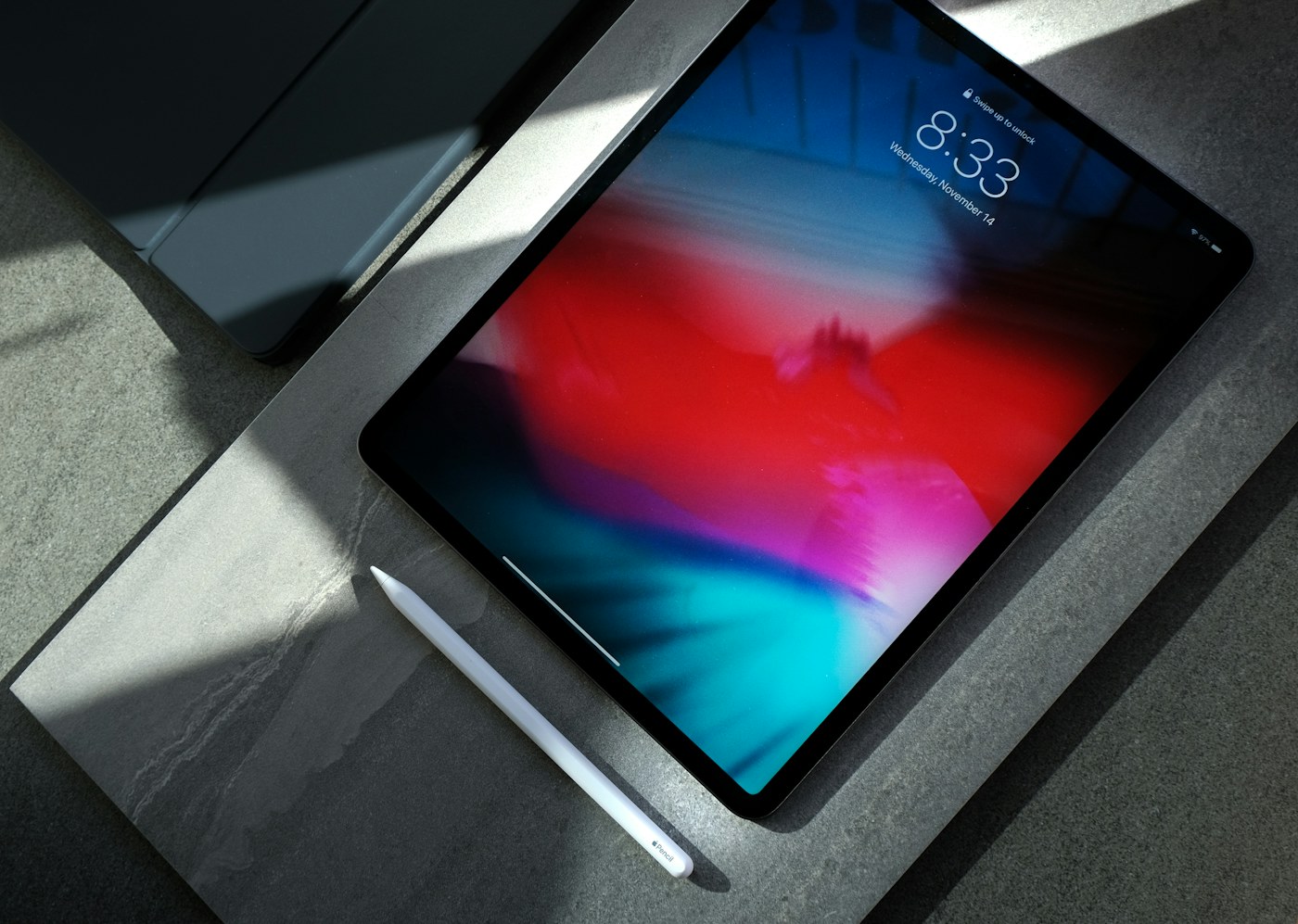
Tablet or Laptop for Travel? Decide With Your Hardest Task
Choose a travel computer by software, typing, accessories, and offline work instead of assuming the lighter screen is the better buy.