
Smartwatch or Fitness Tracker? Buy for the Habit You Want
Choose between lightweight activity tracking and a fuller wrist-based phone companion.
Our advice is based on published information and practical buying considerations, not hands-on testing. Product links in this article are direct manufacturer links. If a link earns us a commission, we label it. Read our affiliate disclosure.
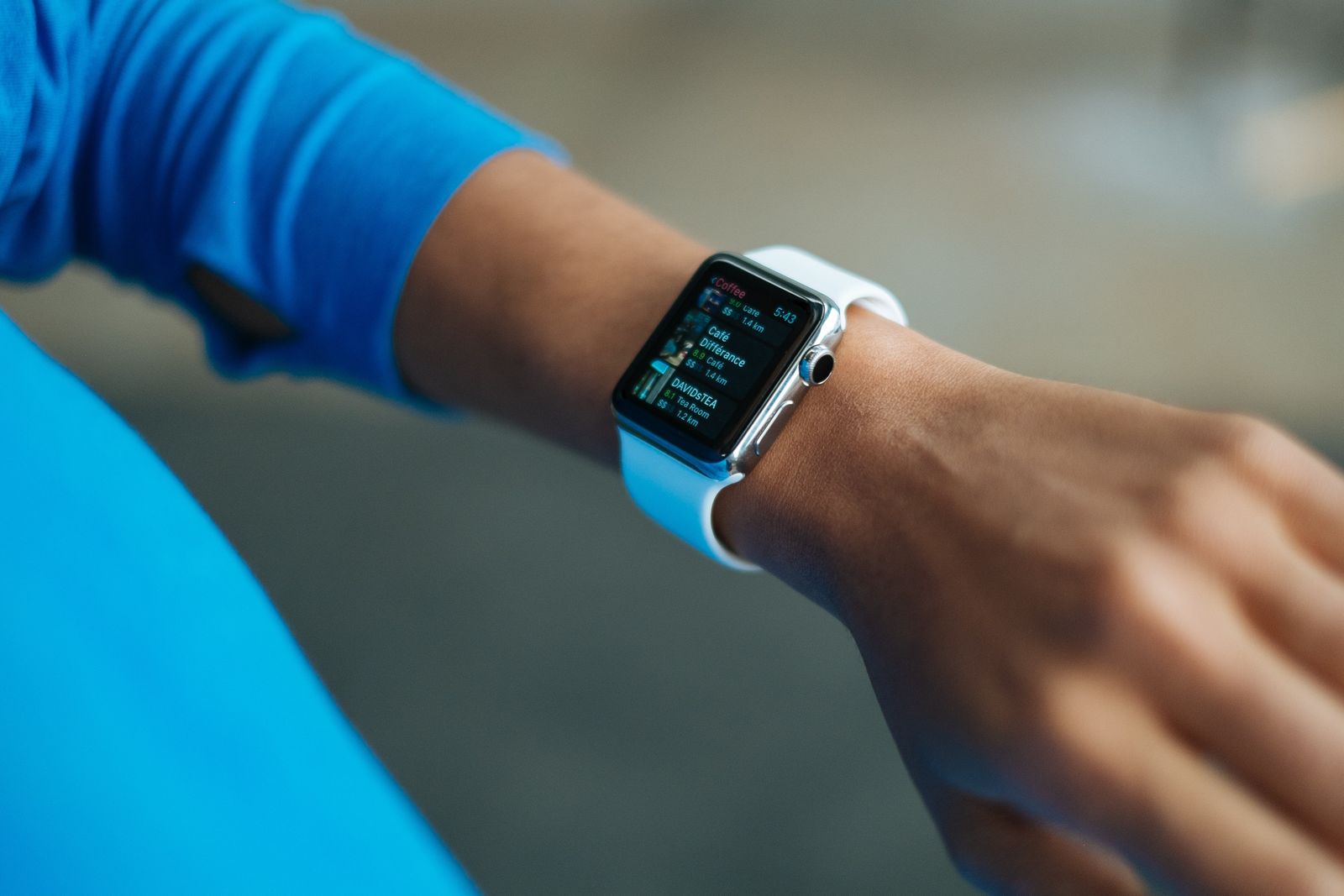
You want to walk more consistently and stop checking the phone every few minutes. A wearable could help with the first goal while making the second worse. The difference between a fitness tracker and a smartwatch is not simply the size of the screen: it is how much interaction you want on your wrist and how much upkeep you are willing to accept.
The short recommendation
Start with a fitness tracker when the goal is straightforward activity habits and a compact device. Consider a smartwatch when you have specific uses for its supported apps, communications, or navigation features. Neither category guarantees better fitness. The useful device is the one you wear comfortably, charge consistently, and use without treating every number as a medical conclusion.
| Your main goal | Starting category | What to watch for |
|---|---|---|
| Build a walking routine | Fitness tracker | Whether feedback stays useful |
| Reduce phone handling | Carefully configured wearable | Notifications may add distraction |
| Use wrist apps and communications | Compatible smartwatch | Platform and service requirements |
| Track overnight trends | Comfortable supported wearable | Fit, charging, and data interpretation |
Define one success measure
Choose a practical behavior before comparing products. You might want a reminder to move between long desk sessions, a record of regular walks, or a convenient way to time exercise. A device that supports that behavior is more valuable than one with several metrics you never understand or revisit.
Fitbit Inspire 3 is a real fitness tracker listed in Google's store. It provides a concrete starting point for comparing a compact tracker with a larger smartwatch. Read its current compatibility requirements and which services or features depend on an account or subscription. This guide does not claim clinical accuracy or personal testing of its measurements.
Check the phone relationship
Wearables can depend on a supported phone, operating-system version, application, and account. Some smartwatch features are limited to particular phone platforms or regions. Cellular features, where offered, may need a compatible service plan. Confirm the complete arrangement rather than assuming every advertised function works independently of a phone.
If you plan to leave your phone at home while exercising, list exactly what you expect the wearable to do: record a route, play audio, receive calls, or make payments. Check each function individually. A broad “connected” or “GPS” description does not explain every phone-free scenario.
Comfort controls consistency
Consider size, strap adjustment, skin comfort, and whether the device catches on sleeves. A beautiful large screen is less useful if it feels intrusive during sleep or exercise. Follow the manufacturer's wearing, cleaning, and care guidance, and stop using a strap that causes irritation.
Charging is part of the routine. Compare published battery information with its stated conditions, then decide where charging will fit into your day. Always-on screens, workouts, connectivity, and other settings can alter real use. Avoid choosing from battery claims alone without considering which features those claims assume.
Treat measurements as information, not a verdict
Activity, sleep, and other consumer-wearable estimates can help you notice patterns, but they should not become a diagnosis or the sole basis for health decisions. A surprisingly poor score after a restful night is a reason to examine context, not automatically a reason to worry. Seek appropriate medical advice for symptoms rather than relying on a wearable to explain them.
Review privacy settings and what data is shared with connected services. Disable integrations you do not need and understand account deletion or export options. Health-related information deserves deliberate handling even when the device is marketed as an everyday lifestyle accessory.
Keep notifications under control
Begin with few notifications. Calls from important contacts or a small number of useful reminders may be enough. If every shopping alert reaches your wrist, the wearable can become another interruption channel. Adjust the setup after a week based on actual usefulness rather than enabling everything during onboarding.
Skip a smartwatch if your needs are already met by a smaller tracker. Skip either category if you dislike wearing it and a simple phone reminder supports the habit just as well. The purchase should reduce friction around a behavior you care about.
Comparison checklist
- Name the one habit or task you want to improve.
- Verify phone, account, region, and optional-plan requirements.
- Check each desired phone-free function separately.
- Consider fit and charging as daily commitments.
- Review privacy and notification settings.
- Avoid interpreting consumer estimates as medical diagnoses.
Common questions
Will a smartwatch motivate me more?
Not automatically. Feedback helps only when it supports a realistic routine you are willing to follow.
Is a tracker only for beginners?
No. A simpler device can suit anyone whose needs are focused and well defined.
Should I subscribe immediately?
First understand what is included and what the paid service adds. Decide whether those additions solve an ongoing need.
Explore the options
Use the manufacturer’s current specifications to confirm the exact version, compatibility and return terms before buying. Prices and availability can change.
Fitbit Inspire 3
Why consider it: A real compact fitness-tracker option to compare with a full smartwatch.
The tradeoff: Check phone compatibility and paid features; consumer metrics are not medical diagnoses.
Explore at the manufacturer ↗Sources & further reading
Source information checked September 30, 2026. Product revisions and regional availability may differ.
See something that needs correcting? Contact our editorial inbox.
Keep exploring
View all
How to Choose a USB-C Travel Charger Without Packing Three
Build a travel charging kit around actual devices, shared output, cable ratings, and the outlets you will use.

The Day-Trip Power Bank: Enough Reserve Without the Brick
Choose a portable battery for maps, photos, and late trains with attention to weight, cables, and air-travel rules.
Upgrade Your Smartphone—or Fix the One You Already Like?
A practical decision framework for battery replacement, storage problems, software support, and genuine reasons to buy a new phone.